
What Size Dumpster Do I Need?
Choosing the right dumpster size is one of the most important steps when planning a cleanup, renovation, or construction project. If the dumpster is too small, you may need an extra haul. If it’s too large, you could end up paying for unused space. This guide will help you understand what size dumpster you need based on your project type, debris volume, and material weight.
Whether you’re a homeowner tackling a cleanout or a contractor managing a job site, selecting the correct dumpster size saves time, money, and frustration.
Why Dumpster Size Matters
Dumpster size affects more than just how much debris you can load. It also impacts:
- Rental cost
- Weight limits
- Placement space
- Loading efficiency
Using the right size helps keep your site organized and reduces the risk of overfilling or exceeding weight limits.
Common Dumpster Sizes Explained
Dumpster sizes are typically measured in cubic yards. Below is a general overview of common sizes and what they’re best used for.
Small Dumpsters (10 Yard Range)
Smaller dumpsters are ideal for light projects and limited debris. These are often used for:
- Garage or basement cleanouts
- Small bathroom remodels
- Minor landscaping projects
- Decluttering projects
They fit well in residential driveways and are easy to load without taking up too much space.
Medium Dumpsters (20 Yard Range)
Medium-sized dumpsters offer more capacity and are popular for larger residential projects and light commercial work. Common uses include:
- Kitchen or multiple-room remodels
- Flooring and carpet removal
- Roof replacements on smaller homes
- Estate cleanouts
These dumpsters balance capacity and footprint, making them a versatile option.
Large Dumpsters (30–40 Yard Range)
Large dumpsters are designed for major projects with high debris volume. They’re commonly used for:
- Construction and demolition
- Commercial renovations
- Large roofing projects
- Whole-home remodels
- Warehouse or industrial cleanouts
Because of their size, these dumpsters require adequate placement space and careful weight management.
Matching Dumpster Size to Project Type
One of the easiest ways to choose the right size is to consider the type of project you’re working on.
Residential Cleanouts:
Small to medium dumpsters usually work best unless you’re clearing an entire home.
Home Renovations:
Single-room remodels often need medium dumpsters, while full renovations may require large ones.
Roofing Projects:
Roofing debris is heavy. Even small roofs can fill a dumpster quickly. It’s important to choose a size that can handle both volume and weight.
Construction and Demolition:
Larger dumpsters are typically needed, but heavy materials may require smaller containers to stay within weight limits.
Consider the Type of Debris
Not all debris weighs the same. Light materials like household junk and wood take up space quickly but don’t add much weight. Heavy materials like concrete, shingles, dirt, and brick add weight fast.
If your project involves heavy debris, you may need:
- A smaller dumpster with a higher weight allowance
- Multiple hauls instead of one large container
Discussing debris type with your rental provider helps avoid overage fees.
Space and Placement Considerations
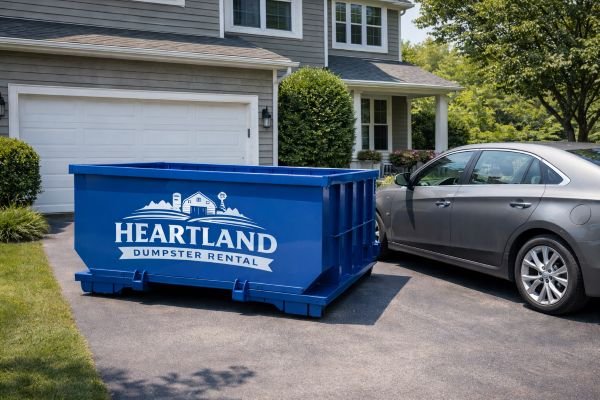
Before choosing a dumpster size, consider where it will be placed. Driveways, parking lots, and job sites all have space limitations. Larger dumpsters require more clearance for delivery and pickup.
If your placement area is tight, a smaller dumpster may be the safer and more practical option.
When in Doubt, Ask for Guidance
Estimating debris volume can be tricky, especially if it’s your first time renting a dumpster. A reliable dumpster rental provider can help you choose the right size based on:
- Project scope
- Material type
- Timeline
- Available space
It’s better to ask questions upfront than deal with unexpected issues later.
Final Thoughts: Choosing the Right Dumpster Size
Choosing the right dumpster size doesn’t have to be complicated. By understanding your project needs, debris type, and available space, you can select a dumpster that fits your job perfectly.
If you’re unsure, consult with a local rental provider who can recommend the best option. The right dumpster size keeps your project efficient, cost-effective, and stress-free.